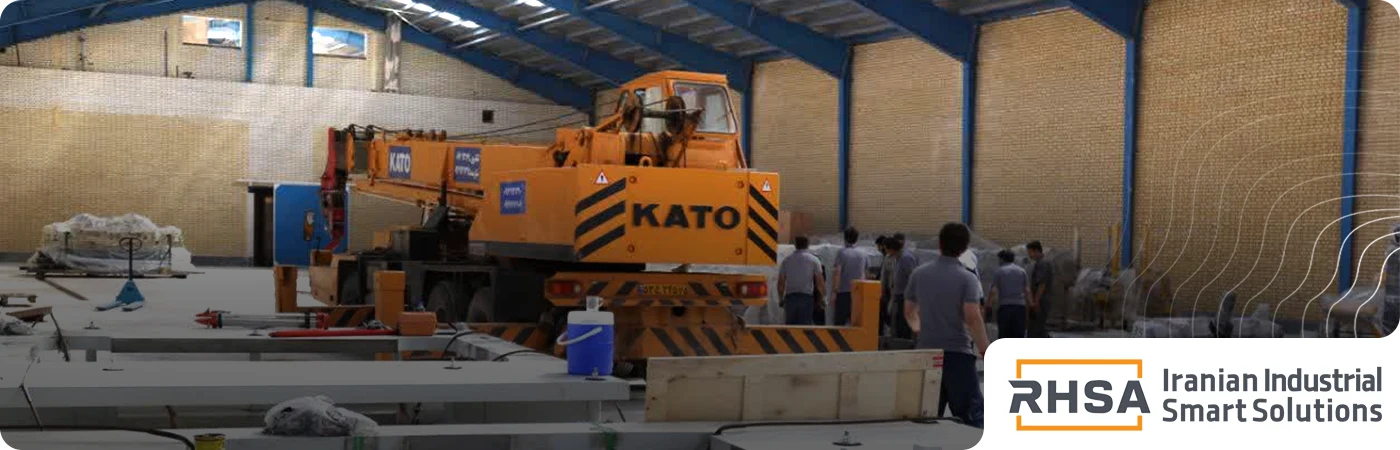
At this stage, all technical, infrastructure and logistical requirements for transferring production lines are reviewed so that the relocation process is carried out with minimal production downtime and maximum safety.

Before dismantling, the machinery is fully inspected, tested, and calibrated so that it can be set up in the new location without any technical problems

All existing line information is captured and converted into an As-Built map to provide an accurate basis for disassembly, relocation, and reinstallation

Unpacking and packaging of machinery is carried out in compliance with safety principles, technical coding, and specialized transportation methods to prevent any mechanical damage

The engineering team analyzes processes and redesigns the production space to optimize equipment layout with the aim of increasing efficiency, safety, and ease of maintenance

The machinery is precisely installed according to the As-Built drawings and delivered after alignment, connections, and final functional tests

After operation, specialized training is provided to personnel, and technical support continues to stabilize performance and resolve potential issues
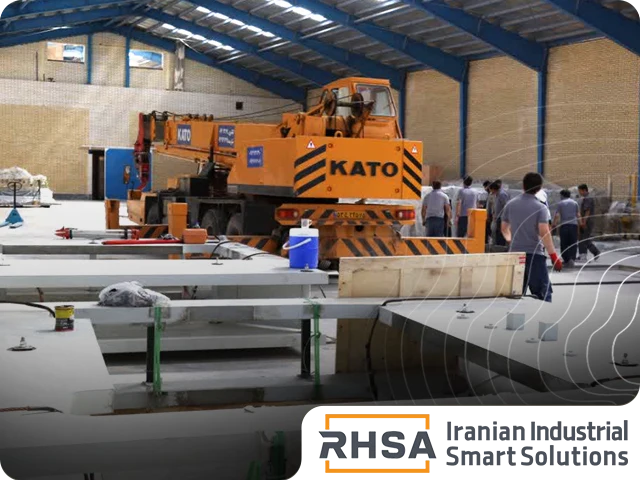
In the first step of the production line relocation process, our engineering team will visit the current factory site to assess all technical, infrastructure, safety and environmental requirements. This assessment includes analyzing the weight and dimensions of the machinery, examining internal transport routes, foundation conditions, crane and lifting equipment access, as well as evaluating the electrical, air and mechanical infrastructure. After collecting the data, a detailed transfer engineering plan is prepared, including step-by-step scheduling, phasing of production shutdowns, and the assignment of specialized execution teams to ensure the relocation is completed without damage and in the shortest possible time
A safe, fast, and engineered transition from the starting point to the final deployment.
Before dismantling, all machinery is checked and calibrated by a team of engineers and expert operators. This process includes testing mechanical, hydraulic and electrical performance, checking movement accuracy, production efficiency and identifying sensitive points to prevent damage during transportation. The main goal is to ensure that the equipment is set up in the new location with the same performance and efficiency as the original
Precise and calibrated equipment, ready to be transported without the slightest error and maintain full functionality in the new location.
After a thorough survey of the existing production lines, our engineering team takes note of all dimensions, connections, equipment locations, and piping and cabling routes. This information is carefully converted into As-Built drawings and comprehensive technical documentation is prepared, including installation instructions, safety precautions, and performance data. This documentation allows for precise planning for dismantling, relocation, installation, and restarting, minimizing any errors or wasted time
Complete documentation and detailed As-Built drawings, a secure foundation for rapid relocation and flawless installation of production lines.
At this stage, our technical teams systematically dismantle all machinery and equipment using As-Built drawings and manufacturer's instructions. Sensitive and heavy parts are carefully coded and packaged to withstand impact, humidity and temperature changes. The transfer process is carried out in compliance with safety standards and using specialized handling equipment to prevent any mechanical damage or future malfunctions
Each piece is packaged and transported with engineered precision, ensuring a flawless installation in the new location.
After reviewing the location of the equipment and production flow, our engineering team redesigns the line layout with the aim of increasing productivity, reducing traffic routes and improving safety. This process includes analyzing material flow, spacing between machines, access to services and maintenance facilities, as well as evaluating the operator workspace. The result is an optimized and standardized production environment that allows for maximum utilization and reduced operating costs
Redesigning the layout, optimizing production routes and increasing the efficiency of your lines in the new location.
At this stage, all equipment is installed according to the As-Built drawings and the engineered schedule. The technical team carefully aligns the machinery, establishes mechanical and electrical connections, and after ensuring proper operation, performs initial operational tests. The goal is to ensure optimal and uninterrupted operation of the production lines in the new location and prepare for full operation
Precise assembly and installation of production lines, complete preparation for flawless start-up and immediate productivity.
Continuous and specialized training of operators is one of the vital principles for the safe and sustainable operation of production lines. This section is divided into three main groups: a) Industrial safety and health training Includes firefighting training, fire operations, and compliance with vital health points. Training is carried out with careful organization, command assignment, operational logistics, and practical exercises to ensure the safety of employees and equipment. b) Machine operation training This course includes theoretical and practical training related to the operation of the machines, how to operate them correctly, and methods for preventing operational errors so that operators can operate the equipment safely and optimally. c) Specialized technical training and preventive services Includes mechanical and electrical training, preventive maintenance, and periodic services to maintain the performance of the production lines over time and prevent unexpected stops
Continuous, safe, and specialized training is the foundation for the sustainable and efficient operation of your production lines.